
WHAT IS METAMORPHIC ARCHITECTURE?
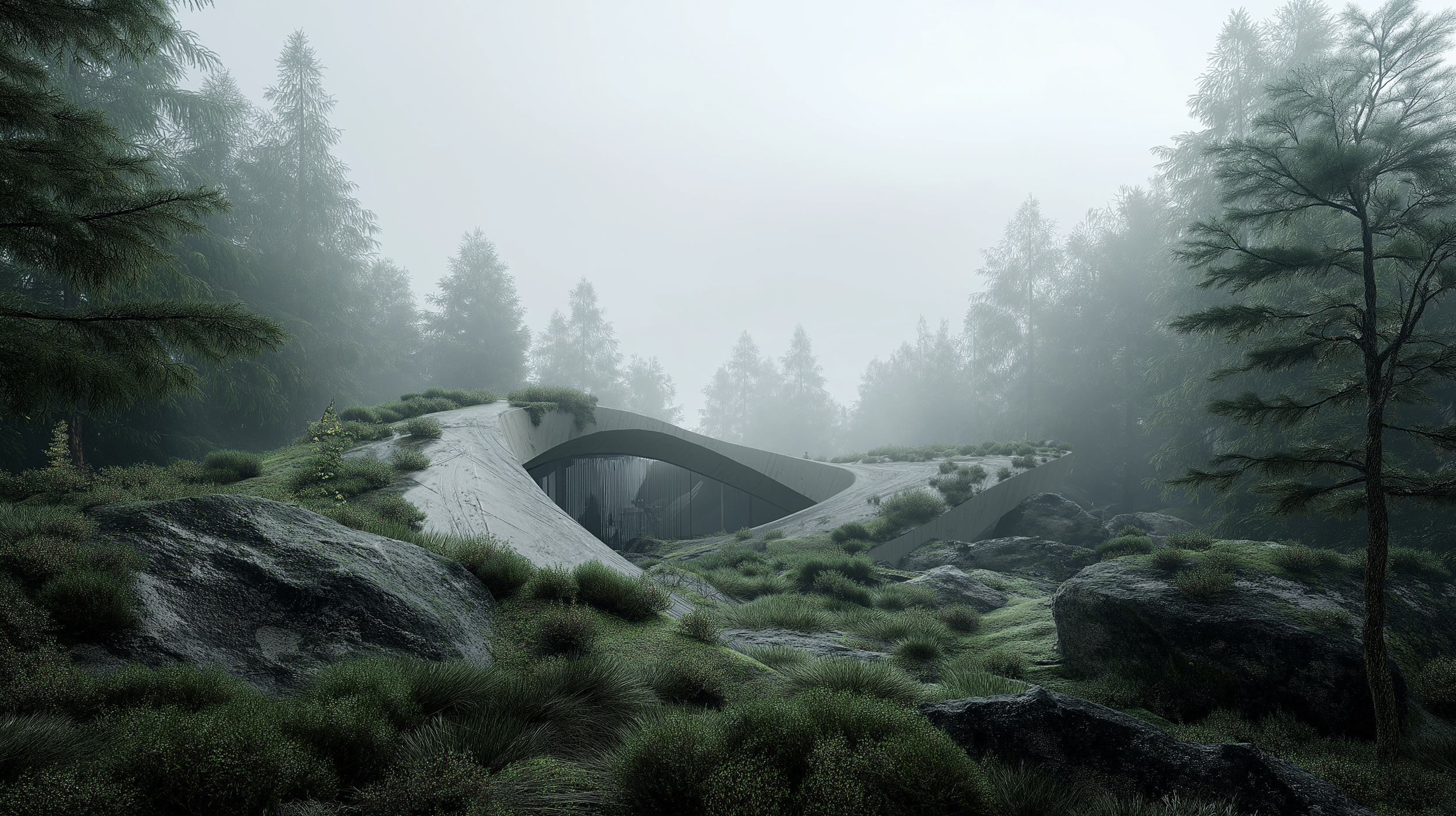
Living and evolving form. | Lucia Silva Studio
Emotional Design as a Living Form
Architecture has spent centuries trying to be solid.
Permanent.
Defined.
But everything alive — plants, bodies, emotions, rhythms — transforms.
It moves.
It evolves.
Metamorphic Architecture emerges from this truth: spaces should behave more like living beings than static objects.
It is not a style.
Not a trend.
Not an aesthetic.
It is a philosophy: form as evolution, not geometry.
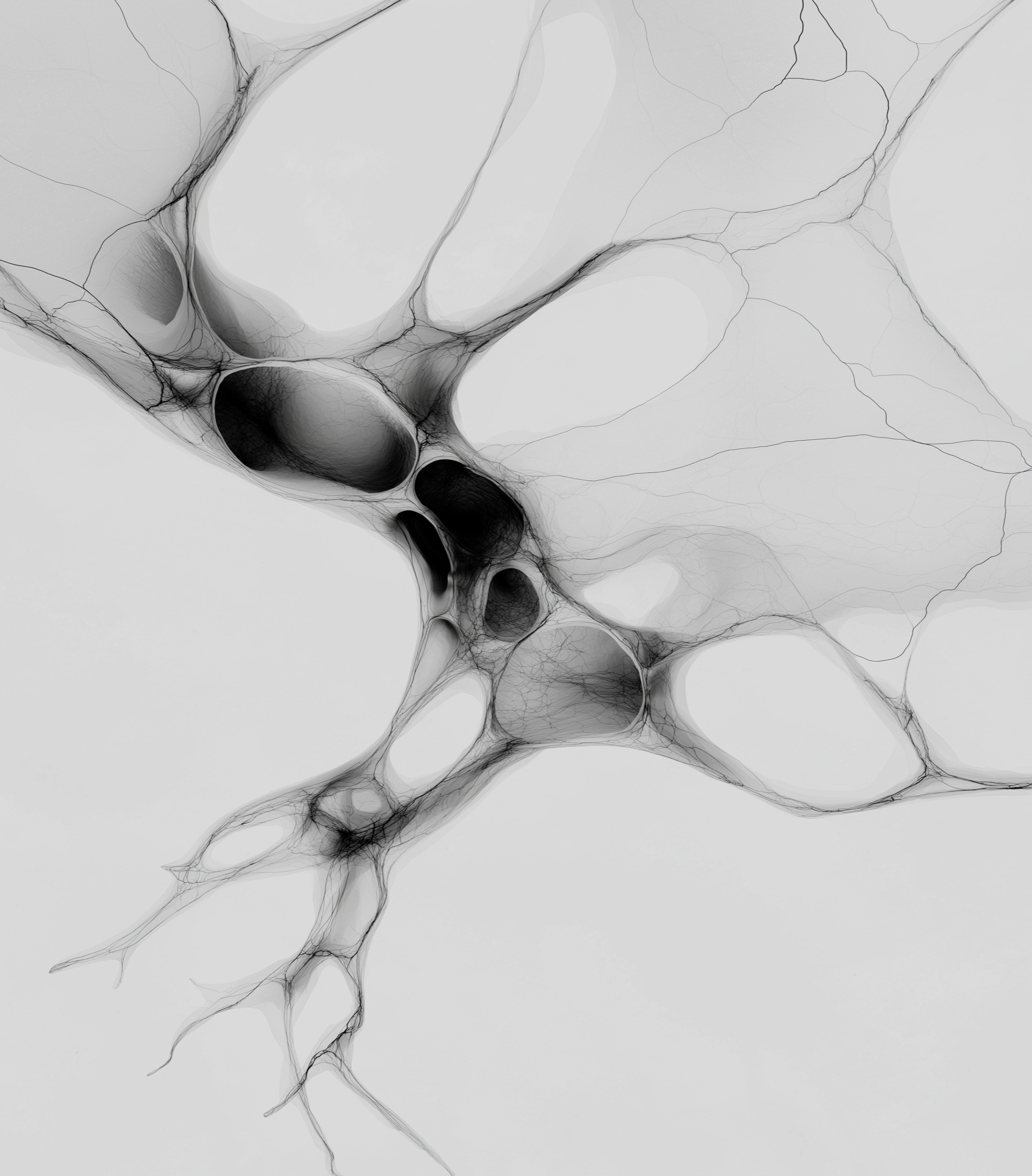
Architectural morphogenesis diagram | Lucia Silva Studio
01. Architecture that moves even when still
Most architecture is frozen the moment it’s built.
Metamorphic Architecture begins with internal movement:
the breath behind a curve
the tension of a gesture
the expansion of a rooted form
the rhythm of a cycle
A metamorphic space doesn’t impose itself.
It unfolds.
It carries the memory of its own transformation.
This is why these forms feel alive — they’re made of transitions, not decisions.

Moss on stone with a water droplet symbolizing organic processes, roots, and living materiality in metamorphic architecture. | Lucia Silva Studio
02. Designing from metamorphosis, not geometry
Traditional design starts with lines.
Metamorphic design starts with process.
Just as Goethe saw in the plant: every leaf is a transformation of the same idea — growth through variation.
In metamorphic architecture, form is not drawn. It evolves.
A curve stretches.
A volume breathes.
A surface dissolves.
You don’t build objects.
You grow them.
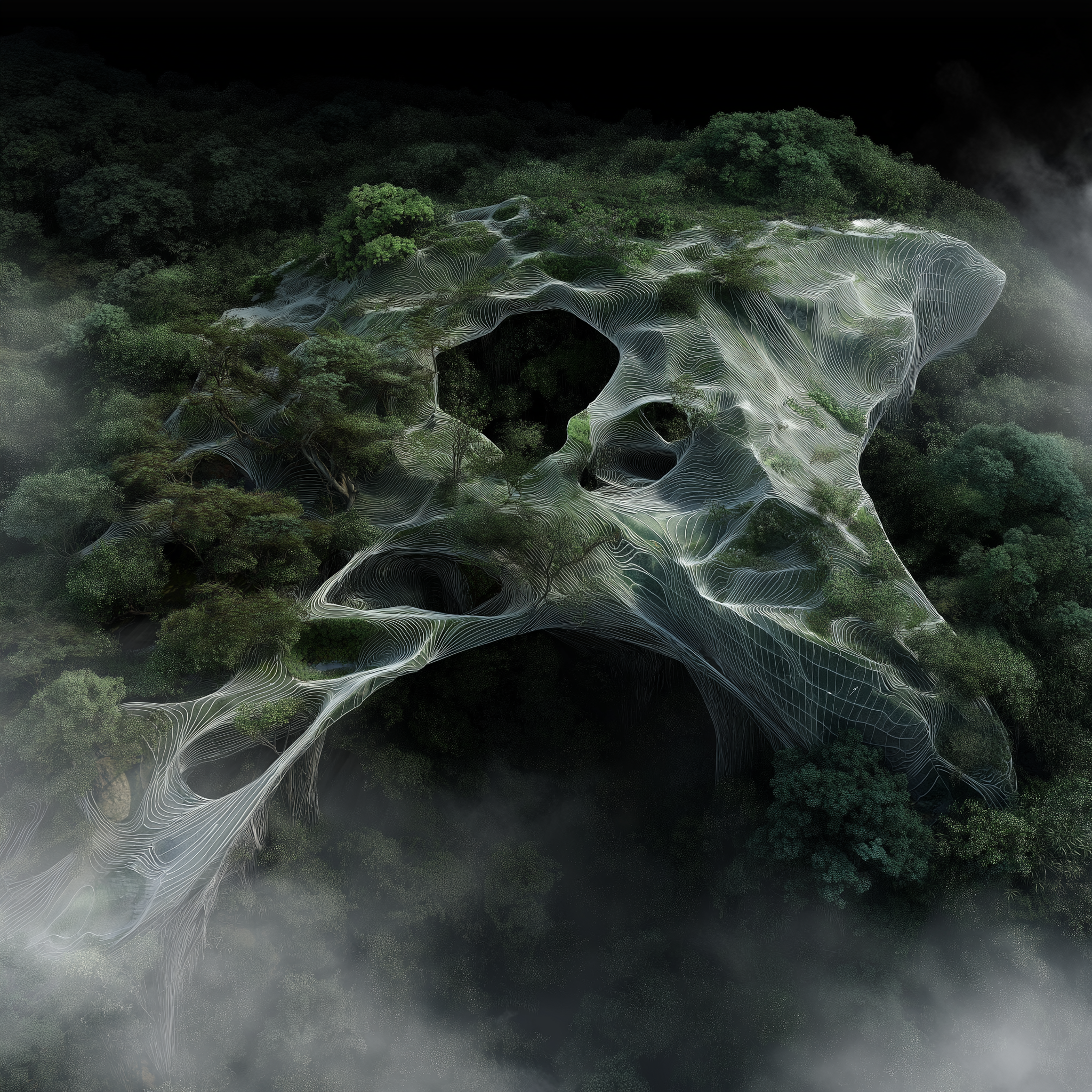
Generative architectural organism integrating with forest canopy, expressing fluid biological patterns and metamorphic form. | Lucia Silva Studio
03. Roots, cycles and emotional resonance
For a space to feel true, it must connect to something deeper:
roots
nature
memory
lunar cycles
biological patterns
invisible gestures of the body
Spaces born from these principles feel familiar — even when they’re digital or futuristic.
The mind questions.
The body remembers.
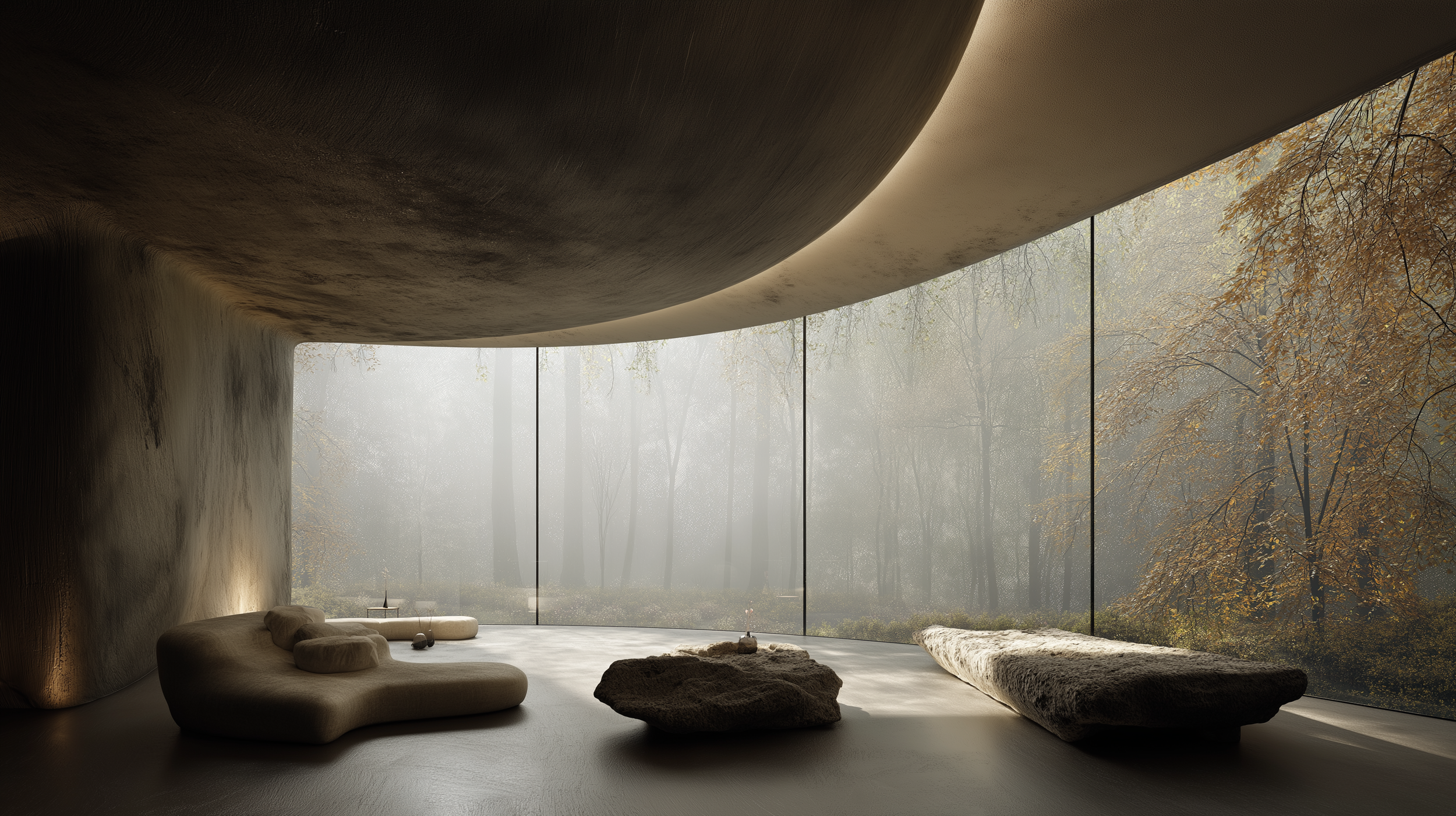
Soft organic interior architecture with fluid ceilings and foggy forest views, expressing calm, openness and emotional regulation. | Lucia Silva Studio
04. Movement as emotional regulation
From Steiner’s eurhythmy comes the idea that movement shapes inner states.
Metamorphic Architecture translates this into form:
expanding shapes → openness
contracting shapes → focus
curved lines → calm
vertical ascents → clarity
porous thresholds → ease
A metamorphic space becomes a silent emotional guide — not through symbols but through the body’s reaction to form, light and texture.
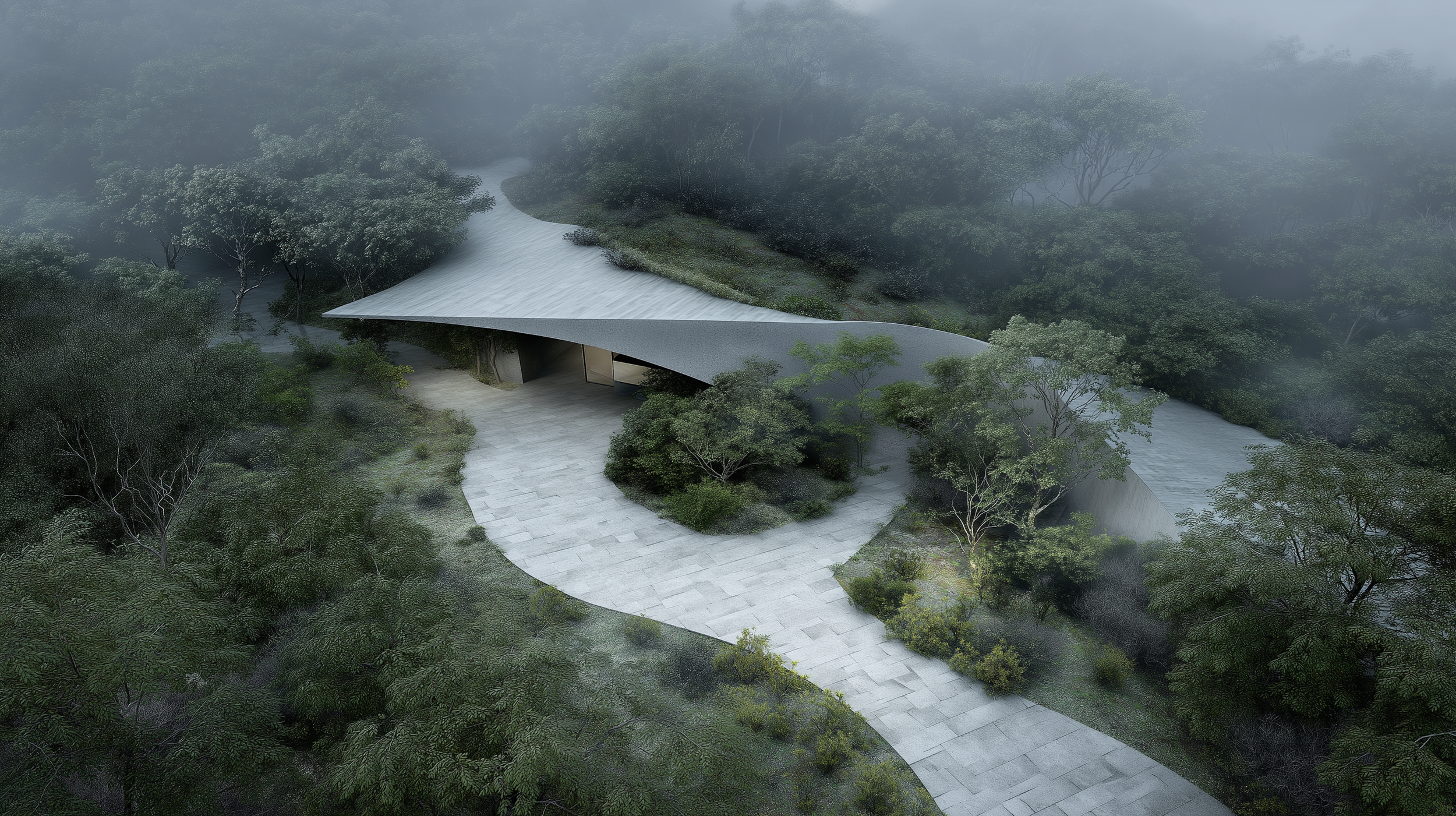
Aerial view of metamorphic architecture blending seamlessly into landscape contours, resembling a living organism emerging from the terrain. | Lucia Silva Studio
05. Digital tools as extensions, not identity
VR, AI and 3D are not the essence of this architecture.They are new hands.
Tools that allow:
fluid complexity
continuous transformation
forms impossible in the physical world
The philosophy is older than technology.
It comes from water, roots, cycles, breath.
Technology doesn’t define metamorphic architecture. It unlocks it.
06. Why it matters now
We live in a world of speed and emotional overload. Static architecture can’t hold a changing human.
Metamorphic Architecture offers something radical: spaces that evolve with us, regulate us and soften us.
Spaces that heal by being alive.
This is not the future of aesthetics. It’s the future of care.
Conclusion
Metamorphic Architecture is architecture as metamorphosis.
Architecture as empathy.
Architecture as a living gesture shaped by movement, emotion and nature.
It’s not about how a space looks — it’s about how it becomes.
