
The Body of Architecture
How Form Holds Emotion
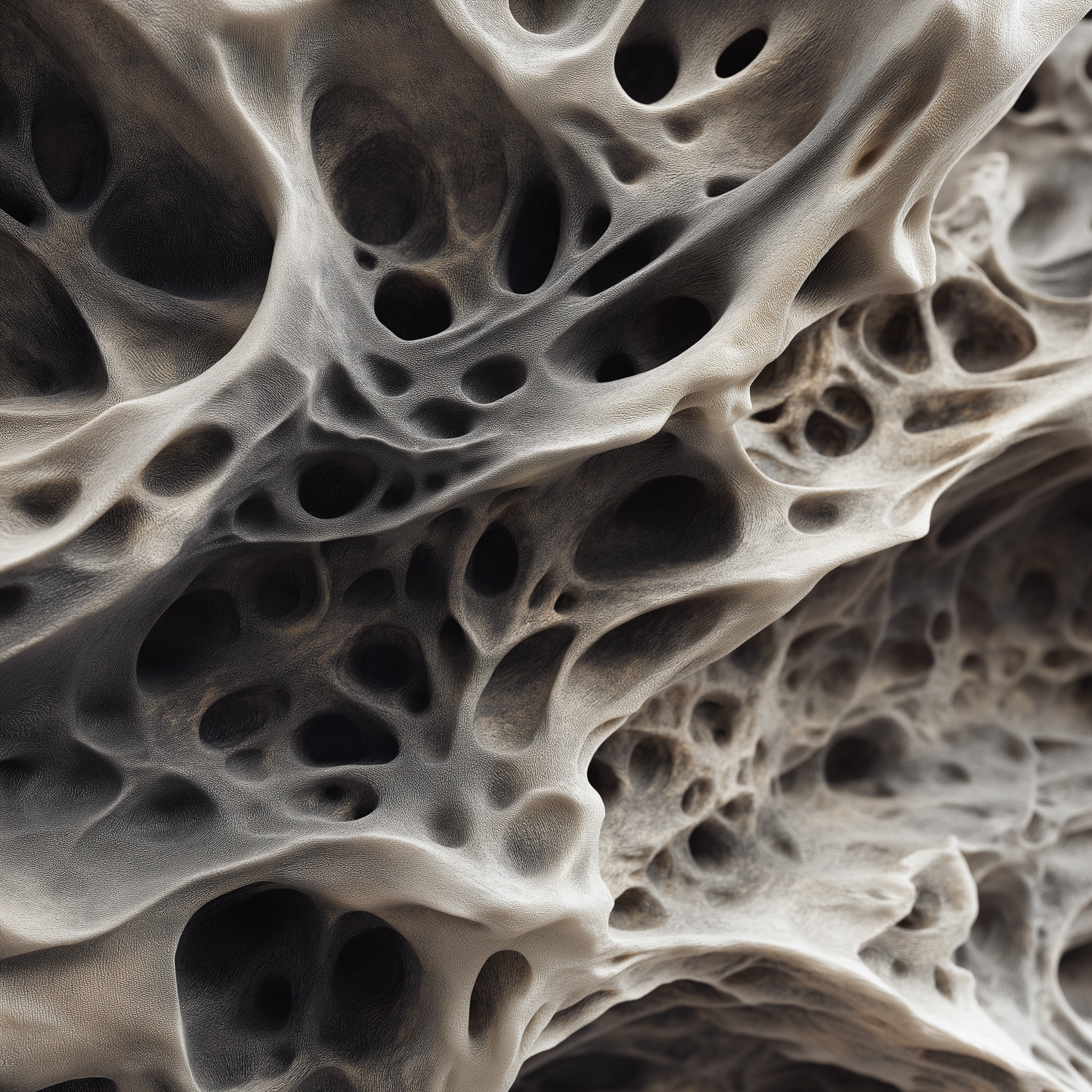
There is a quiet truth in architecture that few dare to name:
form feels — and in a strange, intimate way, it makes us feel too.
I’m not speaking about aesthetics or function.
I’m speaking about the moment a space shifts your breath before your mind has time to understand why.
Architecture has a body.
And that body speaks directly to ours.
This is not a metaphor for me.
It is the starting point of every space I design.
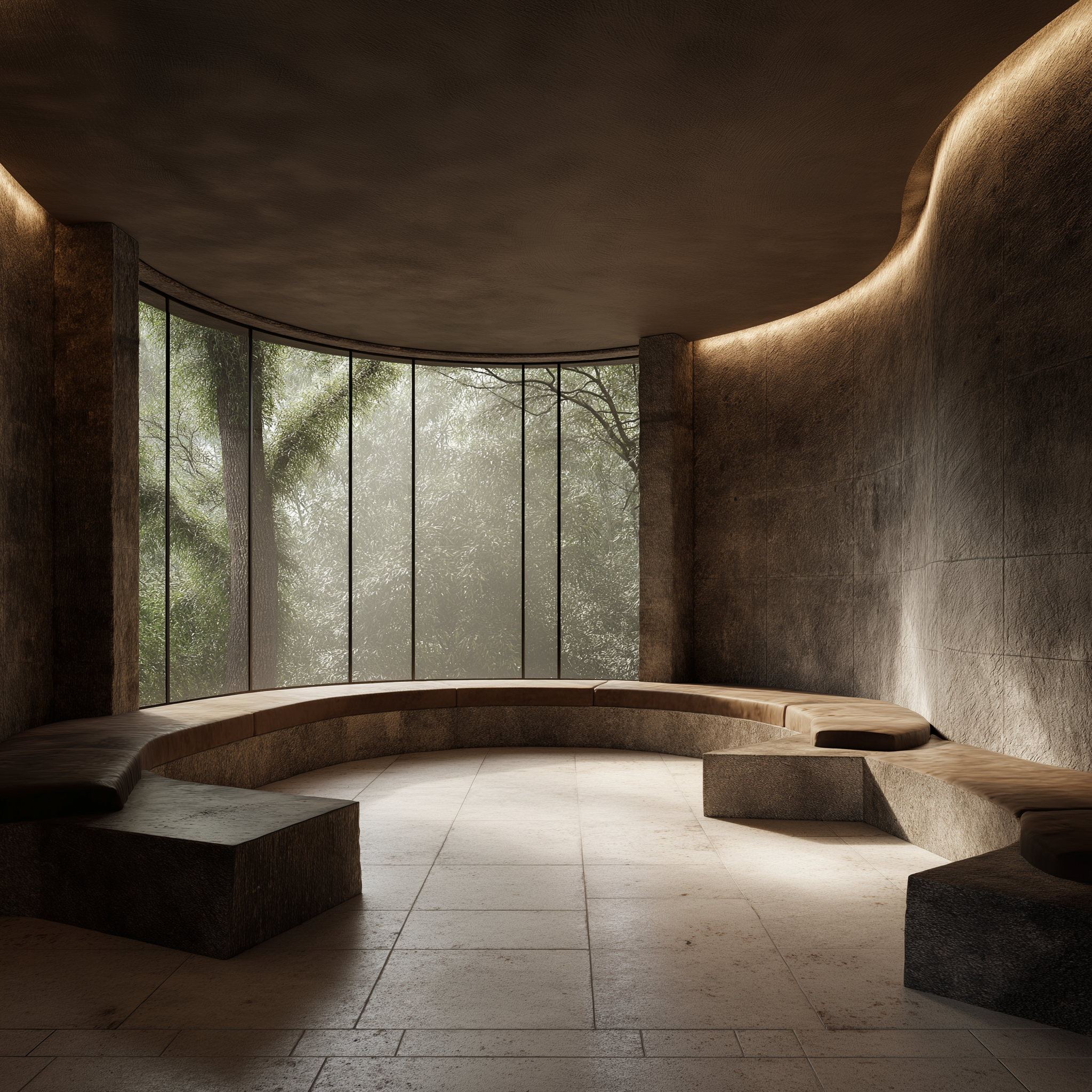
Emotion does not come after. It is already held within form.
We often assume emotion appears after the space exists.
But both experience and nature reveal the opposite.
Curves that soothe are not invented by the hand.
They come from water.
Sheltering cavities are not random.
They come from stone.
Light that stabilizes the mood does not originate in a lamp.
It comes from sunrise.
Form is an echo of nature, and in that echo the body finds a place to rest.
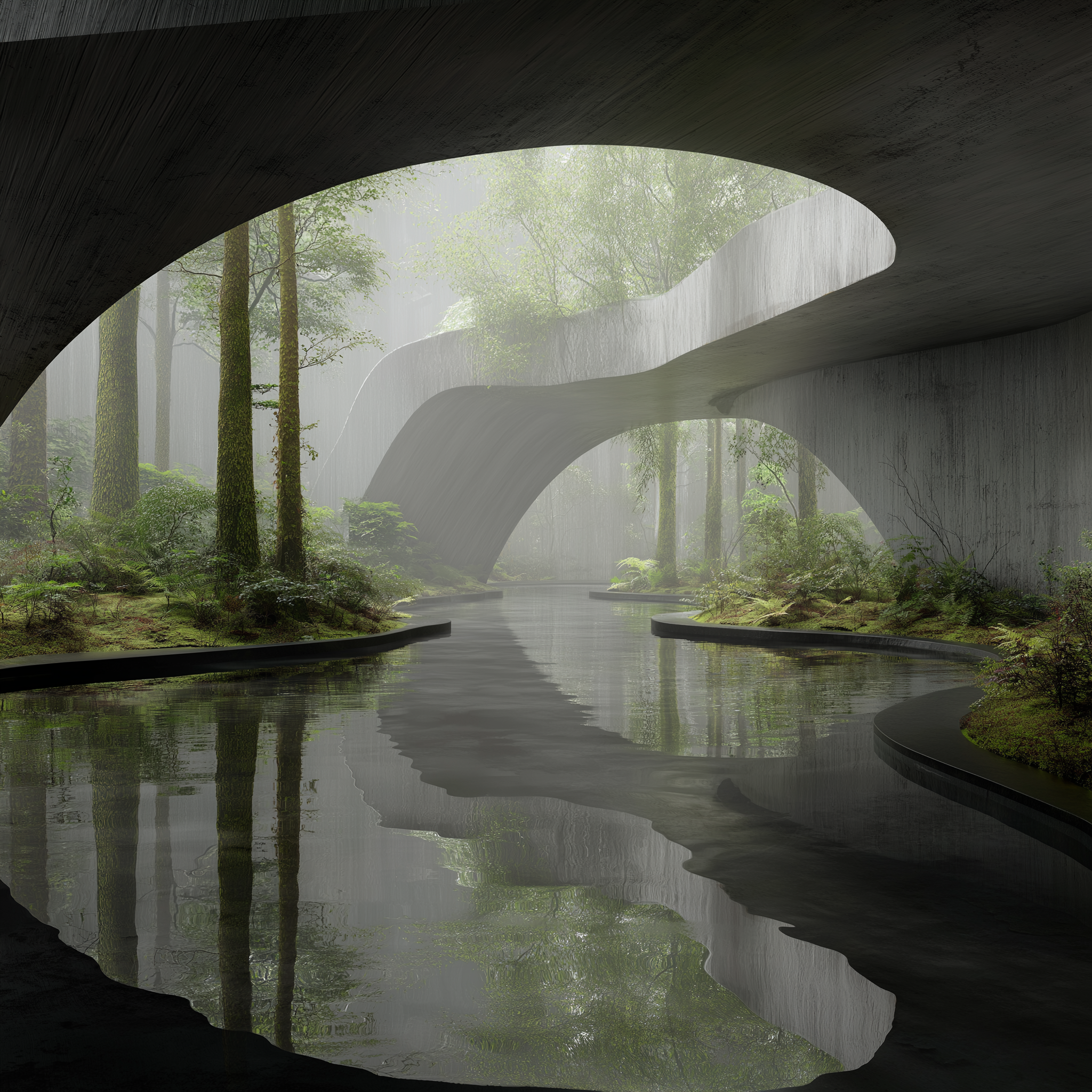
Nature is the original architect.
When I want to design calm, I look to water.
When I think of cycles, I look to the moon.
When I design refuge, I look to mountains.
When I seek balance, I observe shadows.
Every form that heals already exists out there — waiting to be translated inside.
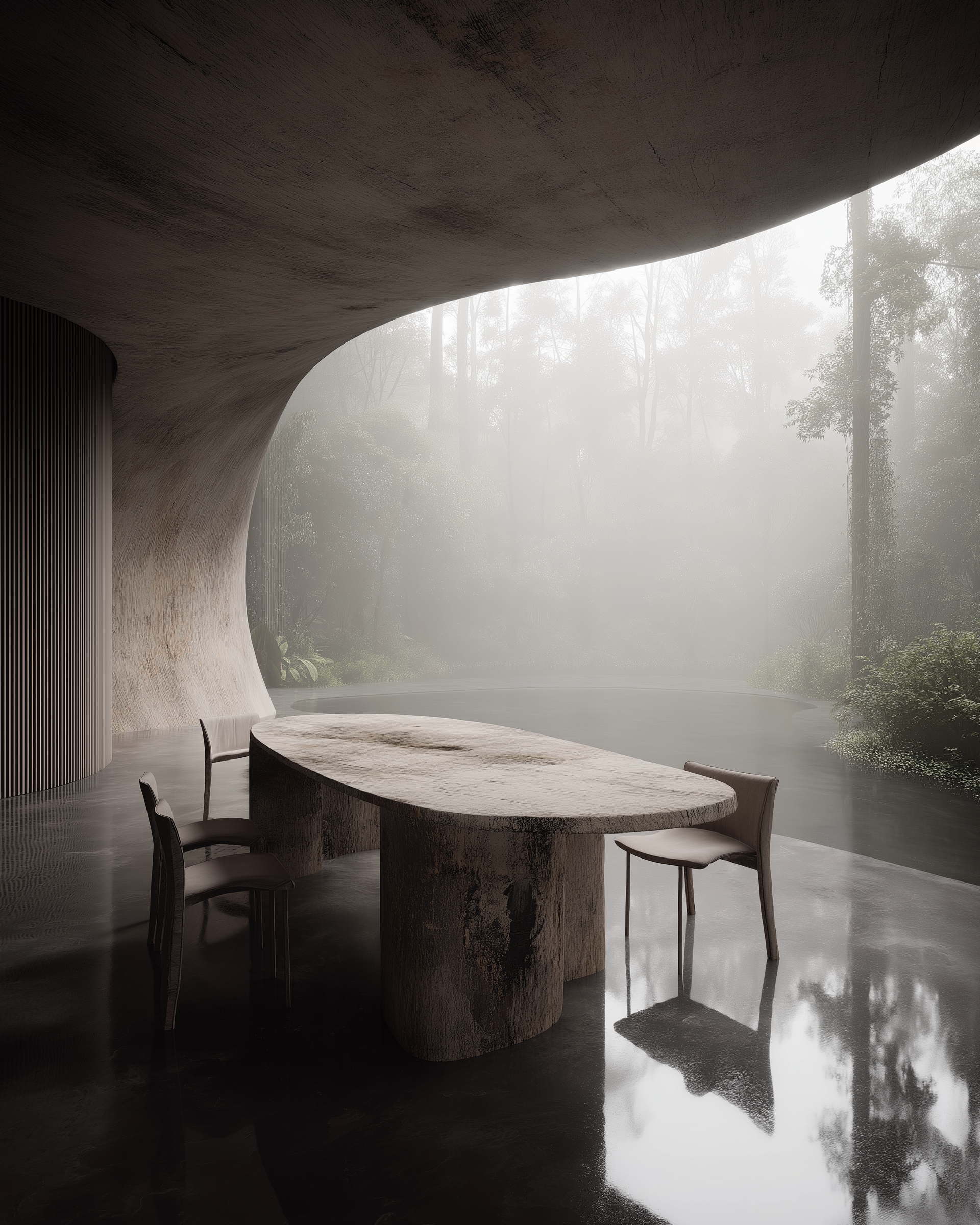
The human body reads space as an ancient language.
Neuroarchitecture confirms what intuition already knows:
Curves reduce threat.
Soft light stabilizes the nervous system.
Texture regulates perception.
Proportion brings order.
Human scale restores safety.
Before we understand a space, we feel it.
And that feeling shapes everything that follows.

When I design, I’m not thinking about objects.
I’m thinking about bodies meeting each other.
What emotion must this space hold?
What internal movement should it slow down?
What gesture must remain suspended?
What form can accompany without overwhelming?
This is where technology becomes a bridge:
AI to translate sensation,
VR to inhabit emotion before construction,
digital modeling to capture the invisible.
I don’t use technology for spectacle.
I use it to amplify the human,
to design immersive spaces that behave like silent medicine.
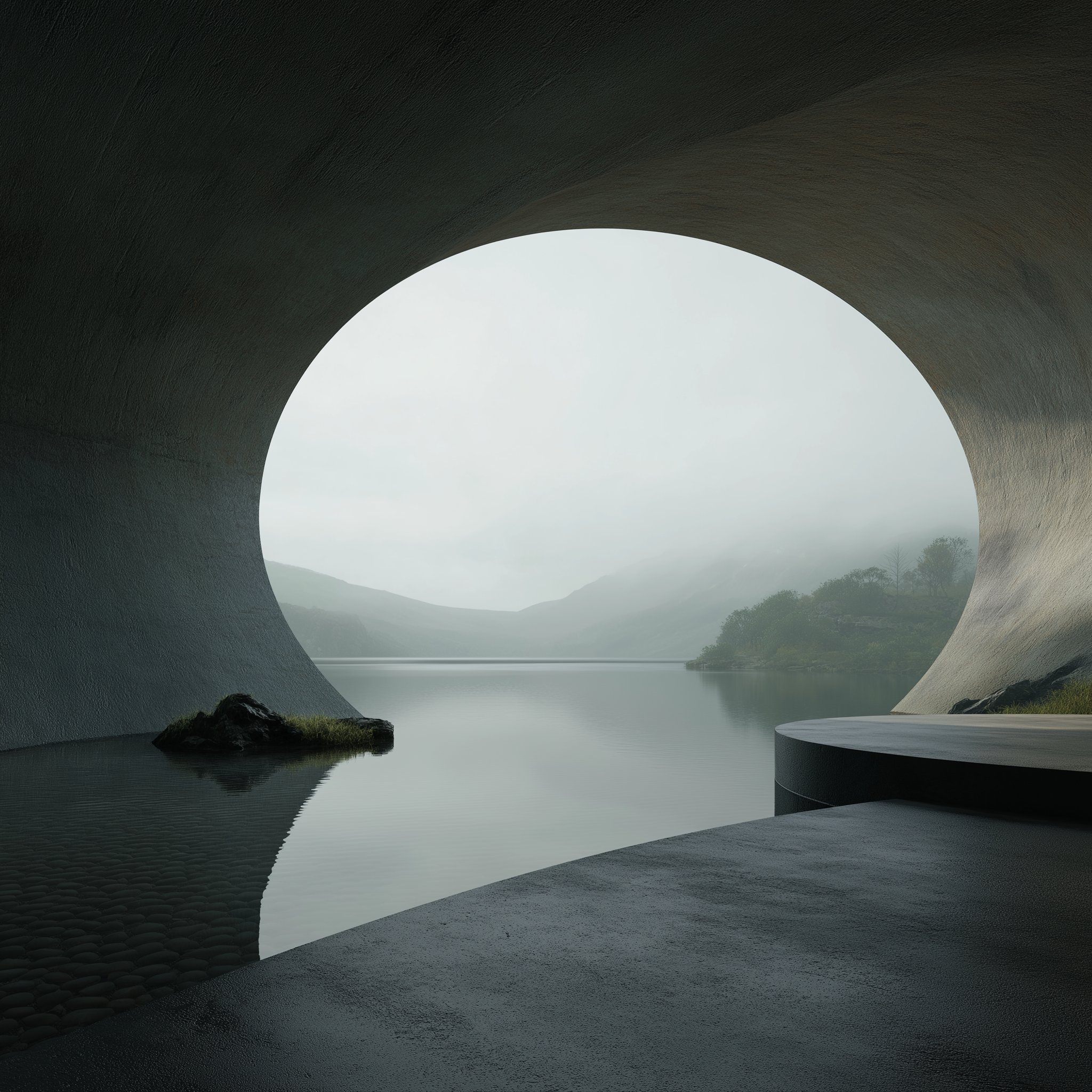
The architecture I imagine is not something you look at — it is something you breathe.
A quiet form of luxury.
A space that regulates without demanding attention.
A refuge where emotion finds shape and the shape offers a place to rest.
I believe deeply in this:
Architecture is a body. And when that body is at peace, we return to ourselves.
