
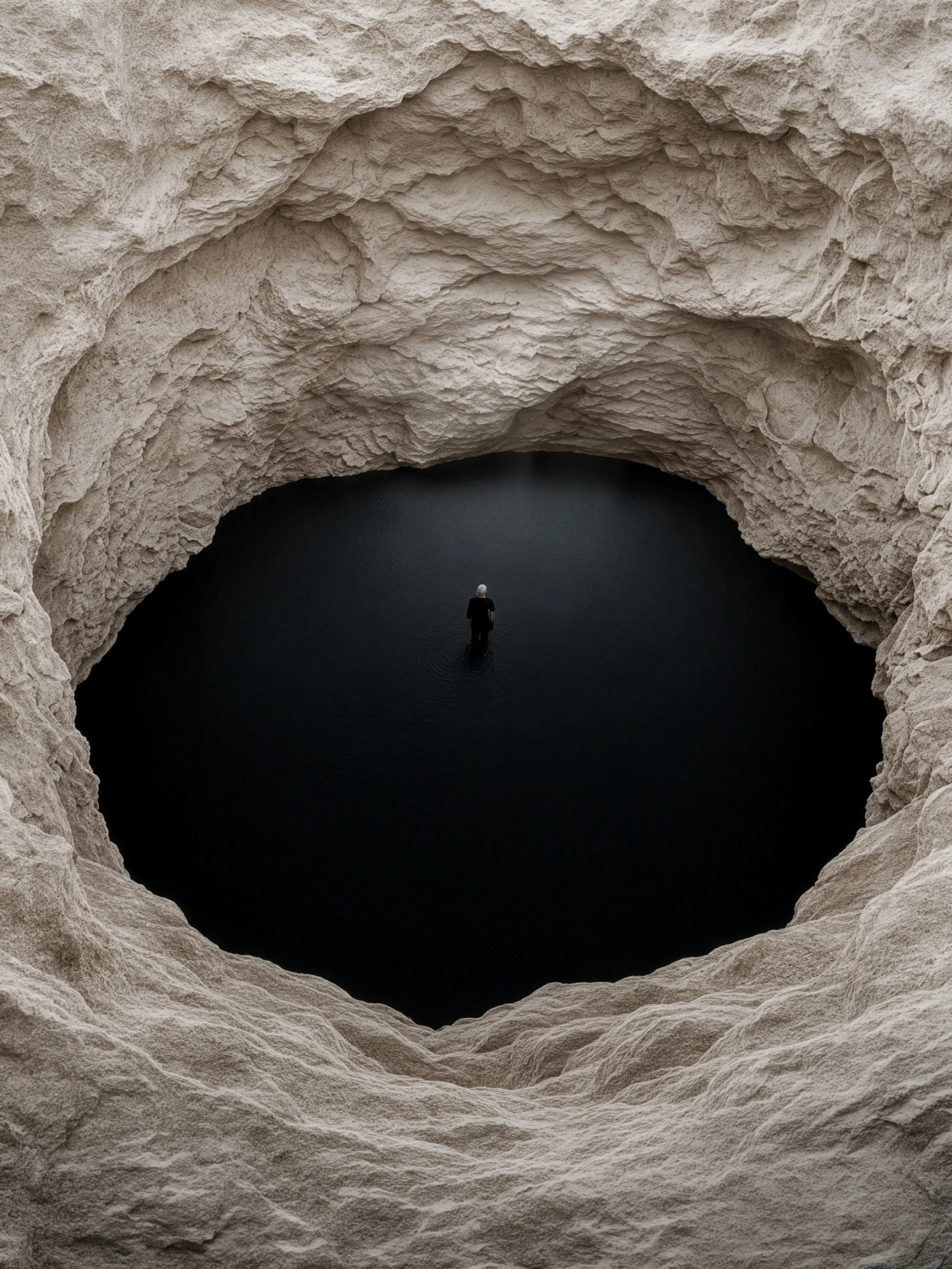
NEI — Neuro Emotional Immersion
A methodology for designing from the nervous system outward.
NEI is the methodology behind LS • STUDIO.
It translates emotional and nervous-system states into spatial sequences, atmospheres and immersive environments.
It begins with one question:
how should the body feel here?
What is NEI?
Designing from the inner state.
NEI — Neuro Emotional Immersion — is a design methodology that begins with the emotional state a space needs to support.
Instead of starting from style, trend or image, NEI starts from the body: what it needs to reduce, what it needs to feel, and how space can help create that condition.
Through light, material, rhythm, sound, scale and spatial sequence, NEI transforms emotional intention into physical, digital or hybrid environments.
NEI does not start with form.
It starts with a state.

Why NEI exists
Because the body needs spaces that can regulate, not only impress.
Contemporary life exposes the nervous system to constant stimulation: screens, speed, noise, visual density and emotional demand.
Most spaces are designed to function or to be seen. NEI explores how space can also support calm, clarity, protection, grounding and presence.
It is a response to overstimulation — and a way of designing environments that feel more human, more intentional and more emotionally precise.
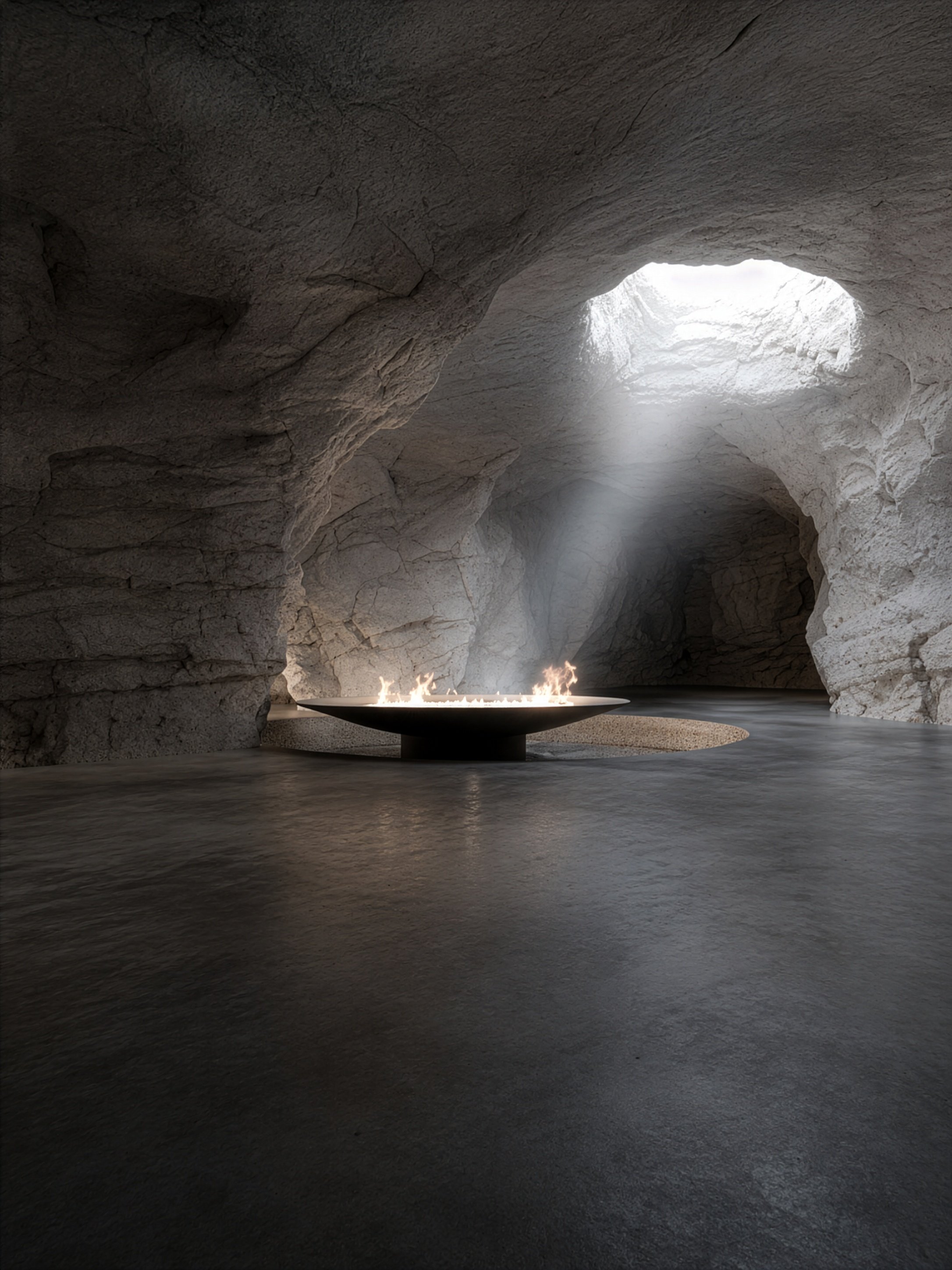
How NEI works
From emotional state to spatial atmosphere.
Phase 1 · Emotional Diagnosis
Identifying the human state the space needs to support: overstimulation, fatigue, mental noise, disconnection, need for silence or grounding.
Phase 2 · Spatial Regulation Strategy
Defining what the body needs to reduce, receive or recover through space: protection, softness, orientation, compression, expansion or pause.
Phase 3 · Sensory Architecture
Translating that state into light, matter, scale, sound, temperature, posture, threshold and spatial rhythm.
Phase 4 · Symbolic Narrative
Building a deeper emotional language through landscape, memory, material references and symbolic structure.
Phase 5 · Spatial Prototype
Testing the concept through visual studies, spatial sequences, digital models, immersive environments or object-scale explorations.
Phase 6 · Emotional Validation
Reviewing whether the spatial condition communicates the intended state: calm, clarity, protection, grounding, silence or reconnection.
Applications
NEI can be applied to neuro-regulating refuges, private interiors, wellness concepts, immersive capsules and digital sanctuaries.
Its purpose is not to create a specific style, but to design spatial conditions that help the body slow down, orient itself and reconnect.
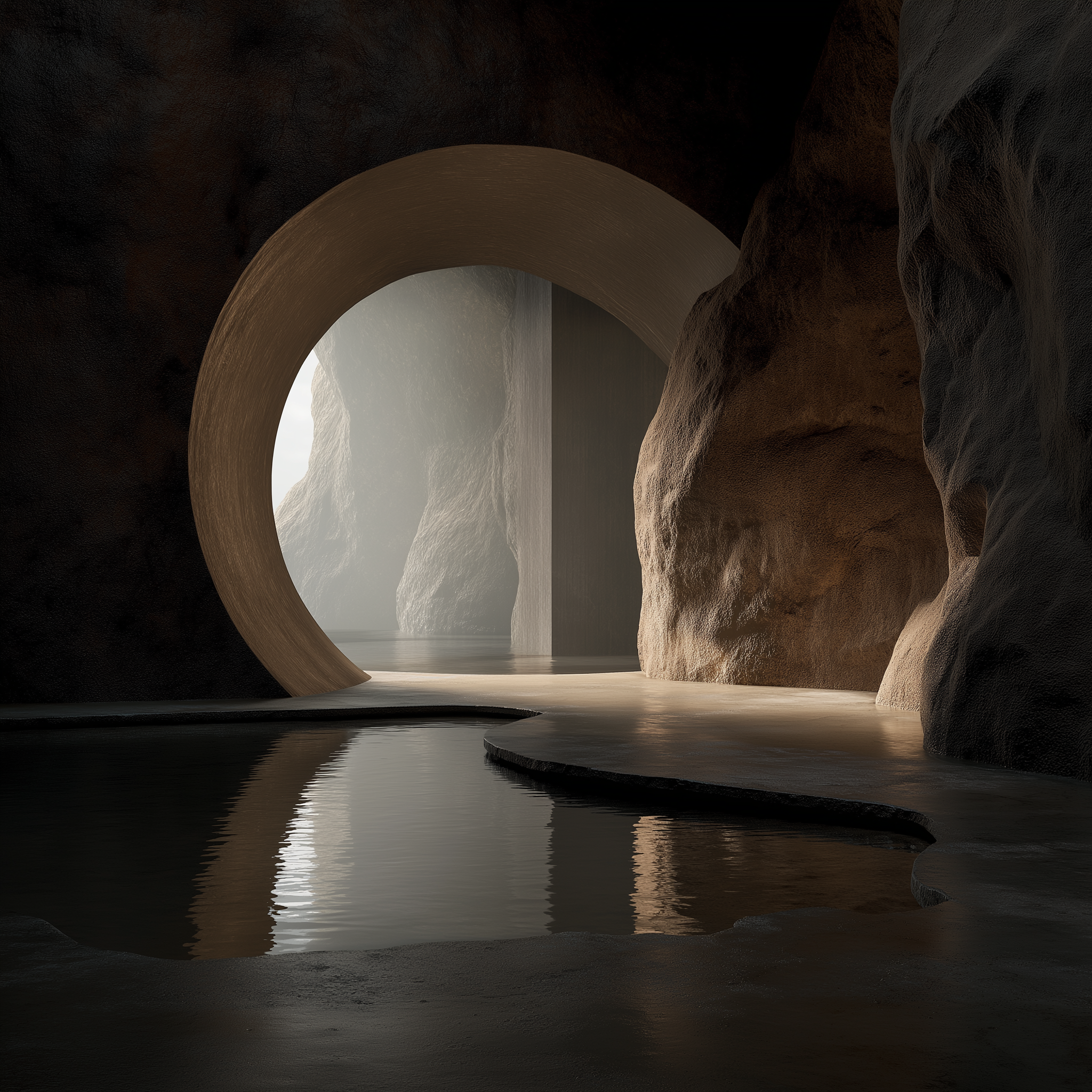
Neuro-Regulating Refuges
Physical or digital environments designed as sensory filters for overstimulated bodies.
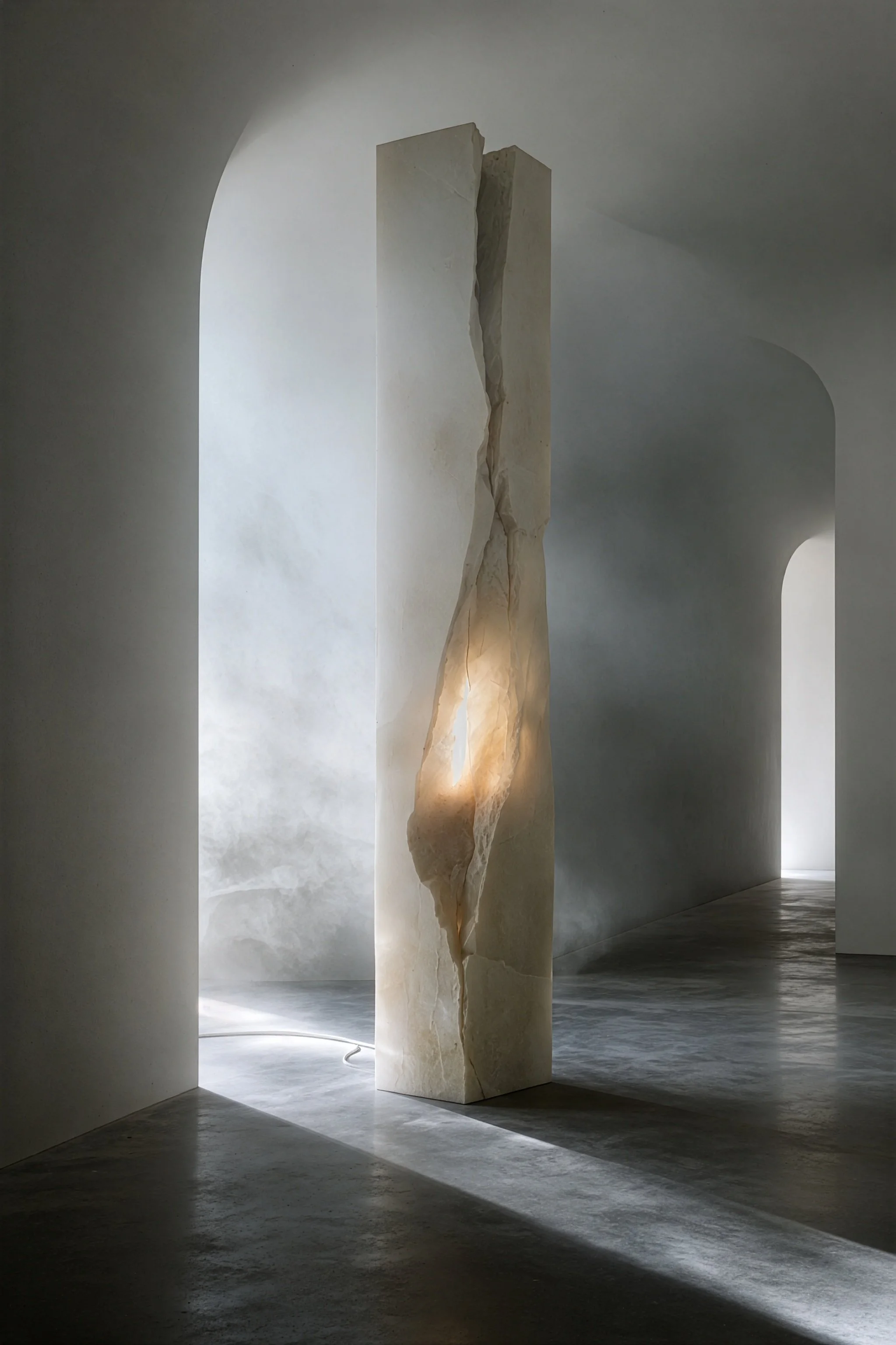
Spatial Fragments
Object-scale studies, lighting pieces, low seating and ritual surfaces that bring sensory regulation into the interior.

Immersive Environments
Digital or hybrid spaces for pause, presence and emotional transition.
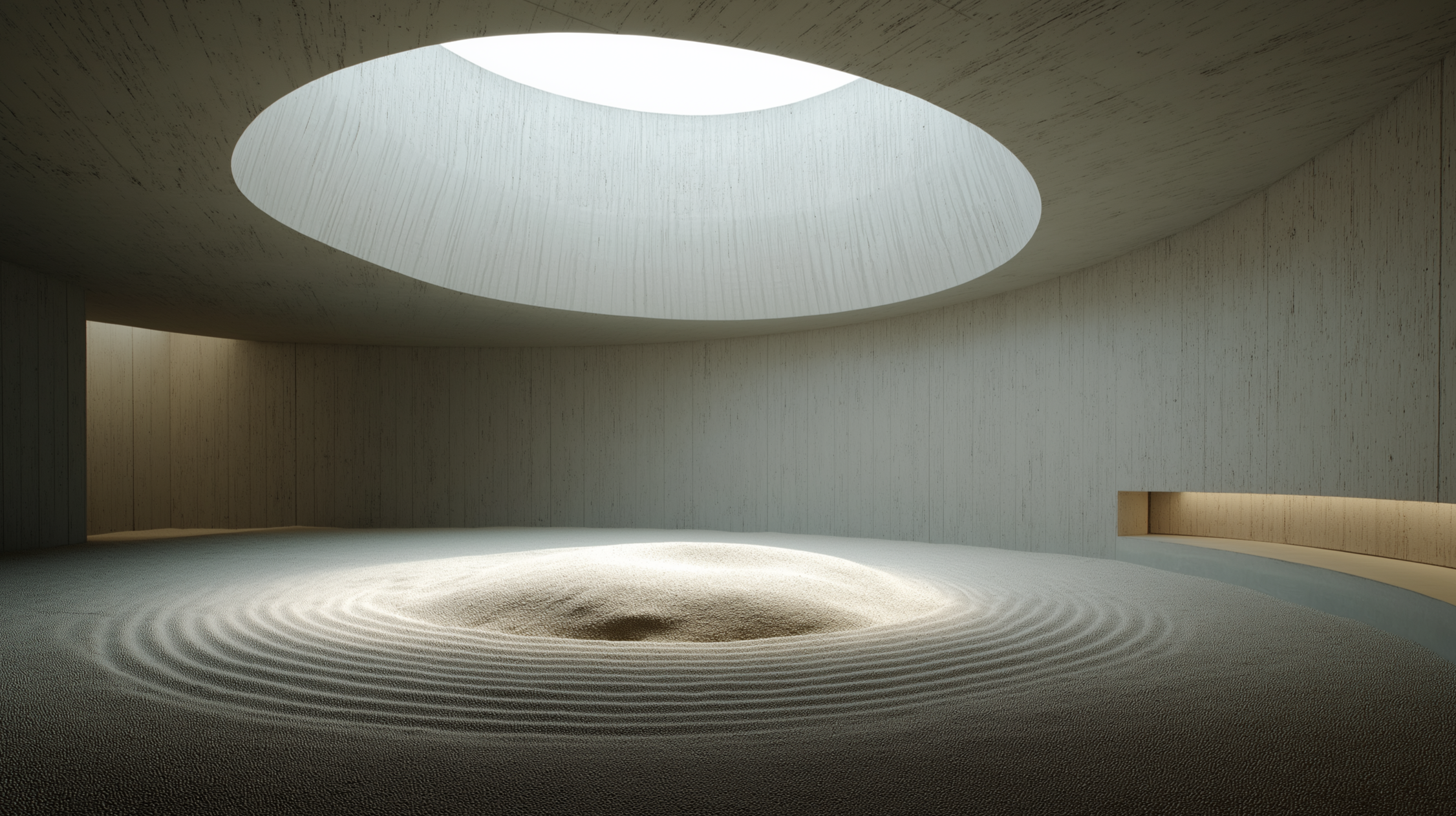
Wellness & Hospitality Concepts
Atmospheric concepts for spaces where calm, recovery and emotional precision are part of the experience.
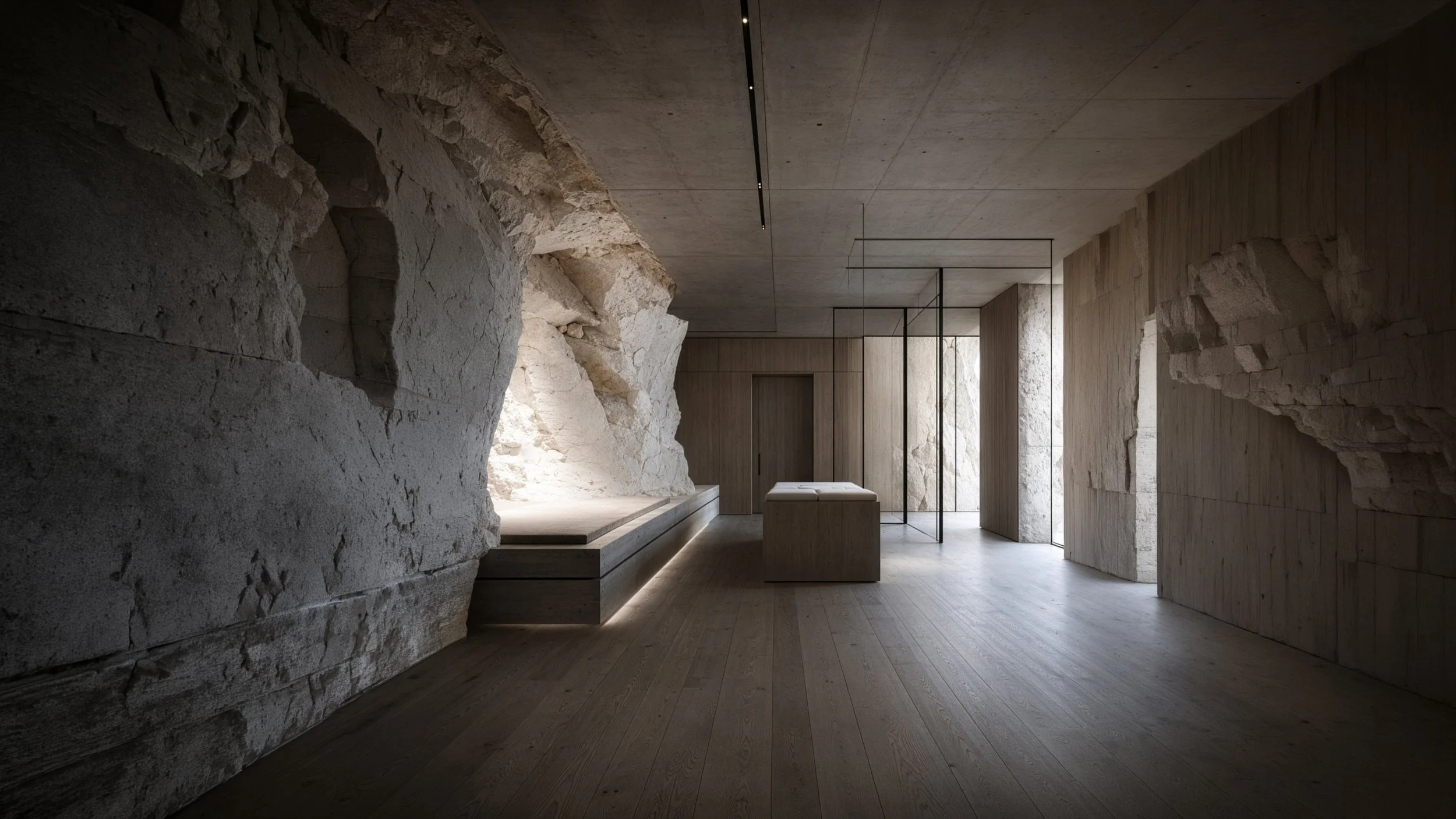
Creative Direction for Spatial Projects
Visual research, AI-generated atmospheres and sensory narratives for brands, studios and institutions.
NEI is for
Studios, brands, institutions and individuals who understand that the future of design is not only visual.
It is sensory.
Emotional.
Embodied.
Regenerative.
Immersive.
NEI is for projects that need more than a beautiful space.
They need a spatial experience with intention.
Design from the state you want to create.
Every NEI project begins with a state: calm, clarity, protection, grounding, silence or reconnection.
If you are developing a physical, digital or hybrid space and want to explore how it can become a neuro-regulating experience, LS•STUDIO can shape the concept through NEI.